

Welcome to the Future of Contamination Detection
Advanced UV Technology
Step into the CSI Shoes - Contamination Scene Investigator
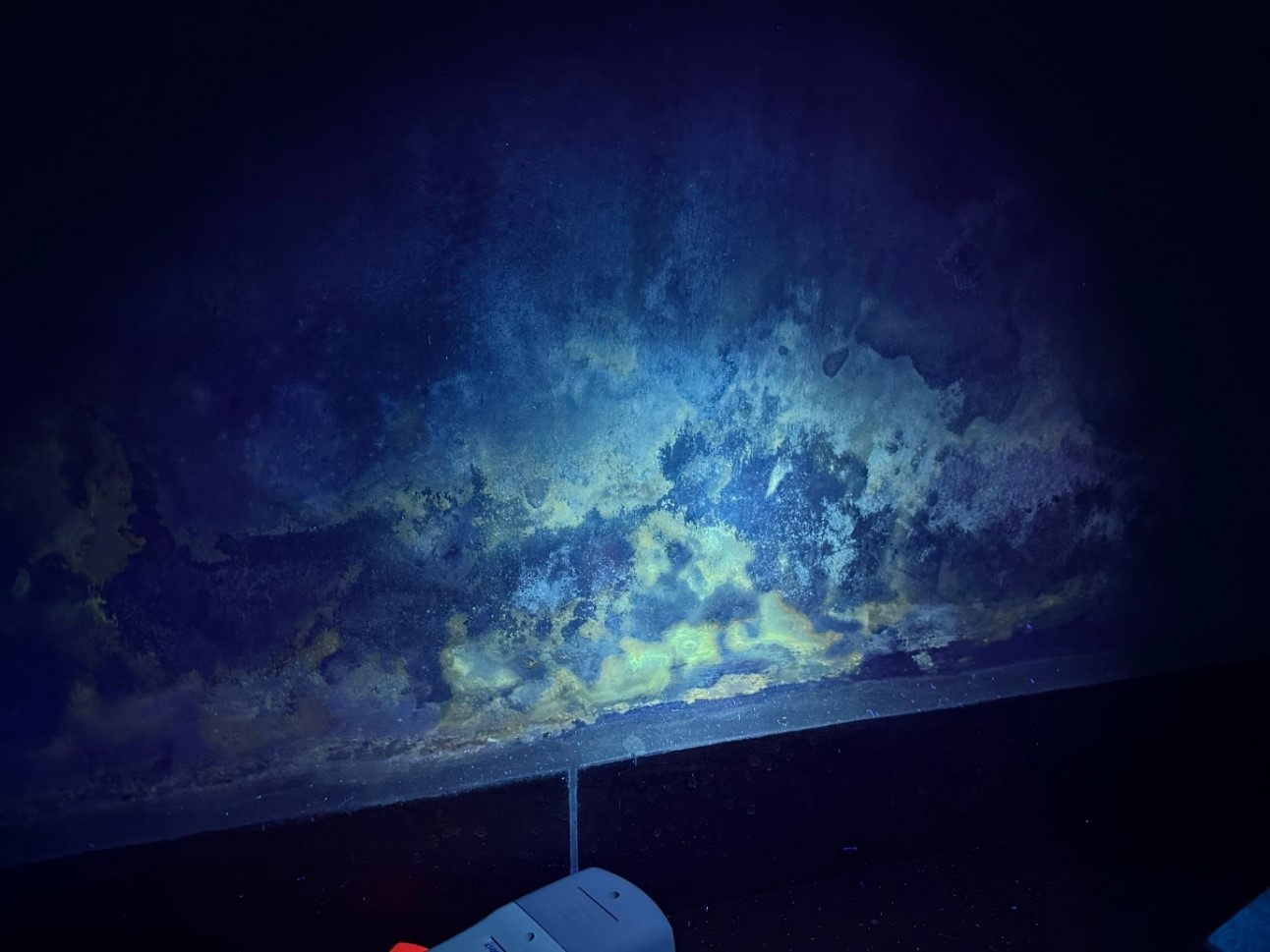
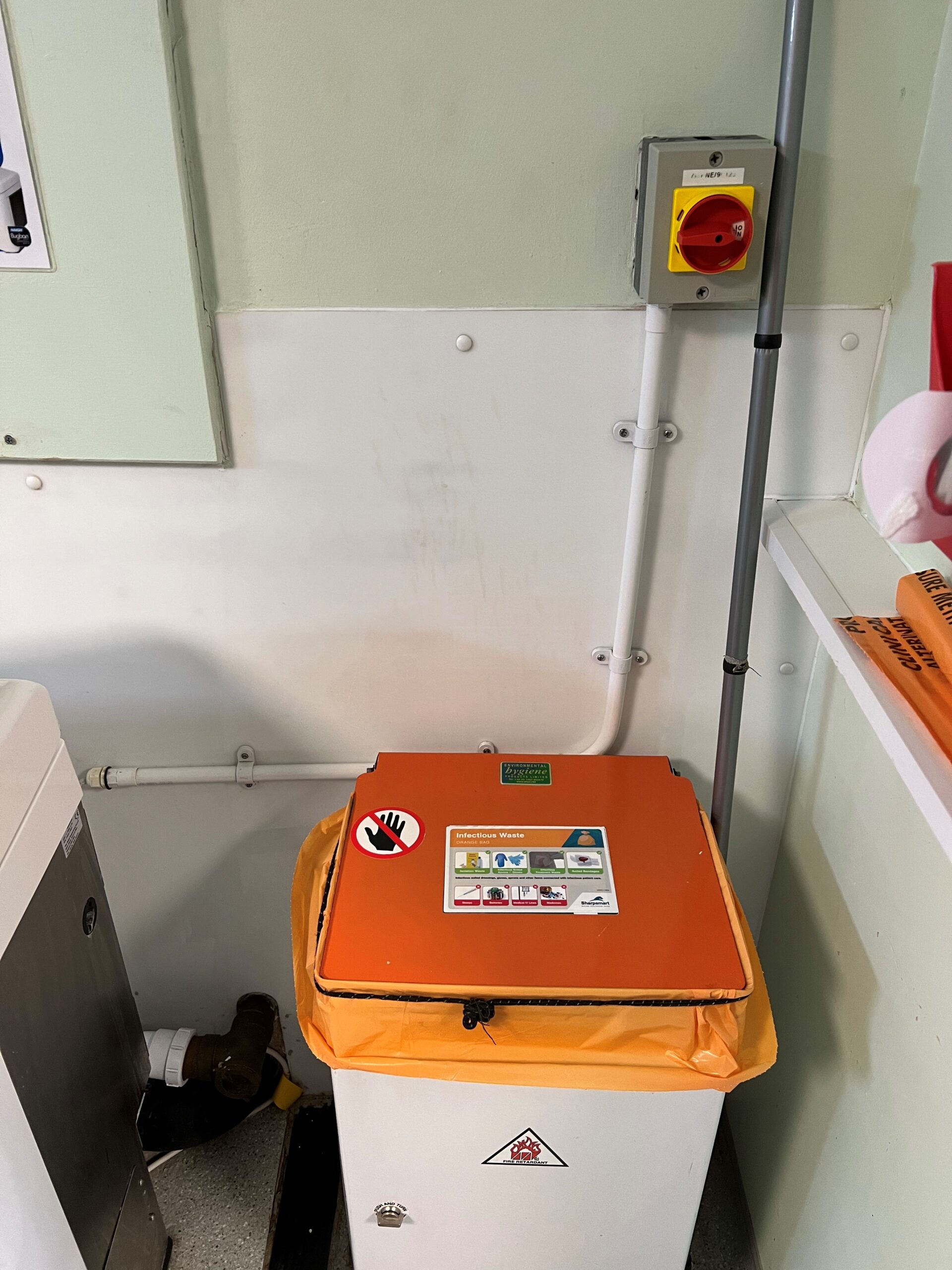
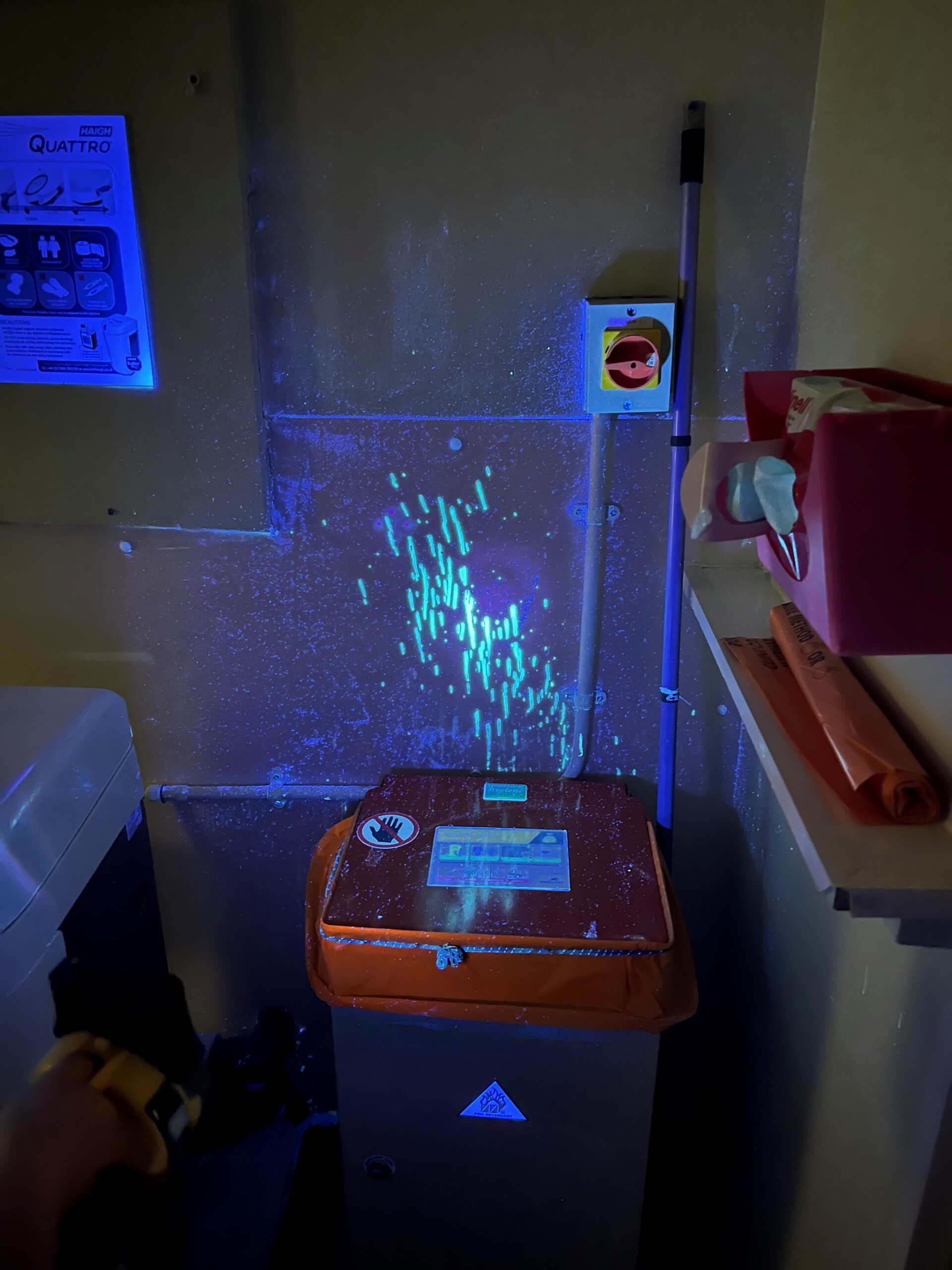
With Bactiscan, you’ll expose biofilms and bacteria instantly, using cutting-edge Quad UV technology to light up contaminants in your facility. No more guesswork—this tool helps you detect issues in real time, saving you downtime and costly recalls. Join the contamination investigation revolution and safeguard your production with Bactiscan!
Immediate visual detection of;
- Biofilms
- Bacteria
- Yeast & Moulds
- Product Residues
- Safe – No need for eye protection
- No consumables
- Non-invasive testing with no downtime
- Inspect large surface areas quickly and easily
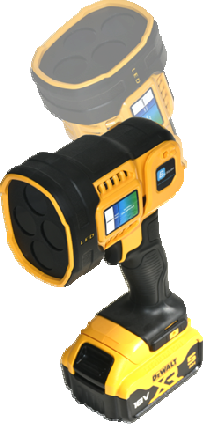
BactiscanPlus
Specifications
- Swivel Head to inspect difficult to reach spaces
- Dual rechargeable batteries for continue use
- 2 hours of battery life,
- 1.5 hr battery recharge
- IP54 Rating
- 4 x LED UV wavelengths with 6000 hour life span
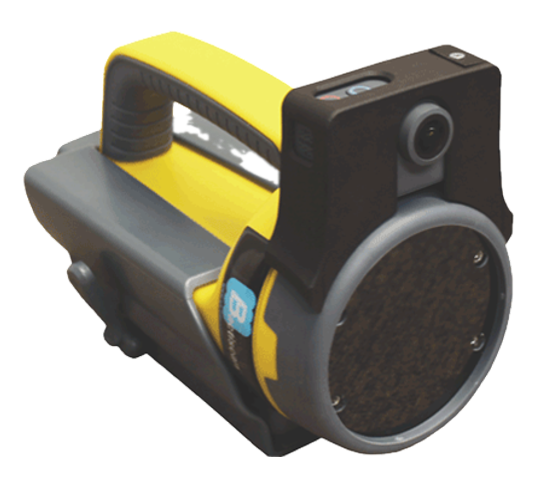
BactiscanPro
Specifications
- 4 x LED UV wavelengths with 6000 hour life span
- Rechargeable smart internal battery
- 2 hours of battery life,
- 1.5 hr battery recharge
- IP54 Rating
- Swivel mount camera for photos and video records
- IP65 rating
- 90 minute battery life
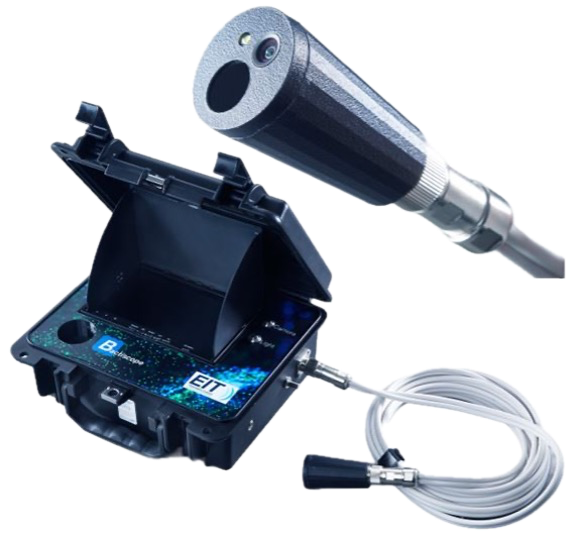
Bactiscope
Specifications
- 37x70mm UV Emitting Camera Head
- 4xLED UV Lamps with 6000 hr lifespan
- Rechargeable internal battery
- Battery charging time is 3.5 hours
- IP65 Water and Dust Resistant Rating
- Probe Length: 1 metre
- Options for 2 and 5 metre probe cable
- Dimensions Body: 270x250x120mm
What do the experts say?
- Listeria
- Gram negative cocci
- Salmonella
- E. coli, Pseudomonads
- Gram positive spoilage organisms
- Lactic acid bacteria, yeasts and spore forming Bacillus.
They compared the Bactiscan with using a standard UV torch. They conclude;
The Bactiscan performed the best at detection of single species biofilms, with all biofilms detected strongly. The presence of biofilms was visually evident as defined areas of turquoise/light green fluorescence when using the Bactiscan, whereas the other instruments returned a more diffuse blue fluorescence, which was more difficult to distinguish from reflected light/other debris. The Bactiscan was also able to pick up weaker biofilms, and in the case of the weakest biofilm formers, was able to pick up small intense specks of blue/green fluorescence, which on closer microscopic inspection revealed the presence of small areas of biofilm growth/microcolonies.
The presence of bacteria or biofilms are visually evident as a turquoise/green fluorescence on the surfaces using the Bactiscan. Determination of the presence of biofilm in practice within the Campden BRI microbiology process hall showed it to be highly effective at locating areas of contamination compared against other selected UV torches.
It can be concluded that the Bactiscan is able to detect biofilms from species typical of pathogens and other target microorganisms present in a multitude of environments from across many industry areas including food, medical and veterinary areas.
Explore in Detail
The Technology
Is this just a UV Torch like the on TV?
It is more advanced and is design to distinguish biofilms and microbial contamination from other biologicals. It has been independently verified by Campden BRI, a leading independent food industry scientific organisation, investigate Bactiscan to detect a range of bacteria including;
- Listeria
- Gram negative cocci
- Salmonella
- coli, Pseudomonads
- Gram positive spoilage organisms
- Lactic acid bacteria, yeasts and spore forming Bacillus.
They compared the Bactiscan with using a standard UV torch. They conclude;
The Bactiscan performed the best at detection of single species biofilms, with all biofilms detected strongly. The presence of biofilms was visually evident as defined areas of turquoise/light green fluorescence when using the Bactiscan, whereas the other instruments returned a more diffuse blue fluorescence, which was more difficult to distinguish from reflected light/ other debris. The Bactiscan was also able to pick up weaker biofilms, and in the case of the weakest biofilm formers, was able to pick up small intense specks of blue/green fluorescence, which on closer microscopic inspection revealed the presence of small areas of biofilm growth/microcolonies.
The presence of bacteria or biofilms are visually evident as a turquoise/green fluorescence on the surfaces using the Bactis- can. Determination of the presence of biofilm in practice within the Campden BRI microbiology process hall showed it to be highly effective at locating areas of contamination compared against other selected UV torches.
It can be concluded that the Bactiscan is able to detect biofilms from species typical of pathogens and other target microor- ganisms present in a multitude of environments from across many industry areas including food, medical and veterinary ar- eas.
Eco Friendly
Why Bactiscan is Eco-Friendly
The Bactiscan range by EIT offers a sustainable approach to hygiene monitoring and biofilm detection, reducing environmental impact in several important ways:
- Chemical-Free Detection
- Bactiscan uses specialised light wavelengths to visualise contamination and biofilms directly on surfaces.
- This removes the need for chemical sprays, dyes, or consumables, which reduces chemical waste and prevents unnecessary chemical exposure in food and beverage facilities.
- Supports Reduced Chemical Usage in Cleaning
- By showing exactly where biofilms are located, cleaning teams can target sanitation more precisely.
- This reduces over-cleaning with harsh disinfectants and helps companies cut down on overall chemical consumption.
- Less chemical use translates to fewer emissions from chemical manufacturing, packaging, transport, and disposal.
- Low Energy, Portable, and Reusable
- Bactiscan devices are battery powered, lightweight, and reusable.
- Unlike single-use swabs or test kits, one device can be used repeatedly without consumables, minimising waste.
- Low power consumption further reduces the carbon footprint compared to continuous chemical monitoring or heavy energy-intensive processes.
- Improves Water Conservation
- Targeted cleaning means less unnecessary wash-down water is used.
- Over time, facilities can significantly reduce water consumption, a major environmental impact factor in food processing.
- Long-Term Sustainability Gains
- By identifying biofilms early, facilities can prevent recurring contamination that might otherwise lead to excessive cleaning cycles, chemical re-dosing, and production downtime.
- This makes hygiene management more efficient, reducing wasted energy, labour, and resources.
Industries
Industries Suitable for Bactiscan Technology
Food & Beverage Manufacturing
- Meat & Poultry Processing Plants – detect biofilms on conveyors, cutting tables, and drains.
- Dairy Processing – milk handling surfaces, cheese maturation rooms, pipelines.
- Seafood Processing – wet areas prone to Listeria biofilms.
- Bakeries & Confectionery – equipment prone to yeast and mould growth.
- Beverage Plants (soft drinks, beer, bottled water, wine) – tanks, filling lines, packaging areas.
- RTE (Ready-to-Eat) Food Production – high hygiene zones requiring rapid surface checks.
Agriculture & Post-Harvest
- Fresh Produce & Salad Packing – leafy greens, berry processing, melon wash lines.
- Cold Storage & Ripening Facilities – hygiene monitoring in humid environments.
- Grain & Milling – equipment where mould can form.
Hospitality & Food Service
- Commercial Kitchens & Catering – food prep surfaces, storage areas.
- Restaurants, Cafés & Hotels – rapid hygiene assurance for food safety compliance.
Healthcare & Life Sciences
- Hospitals & Clinics – biofilm risks in sinks, showers, and patient care areas.
- Pharmaceutical Manufacturing – cleanroom hygiene and equipment sanitation validation.
- Aged Care & Childcare Facilities – hygiene-sensitive environments requiring fast checks.
Water & Utilities
- Municipal Water Treatment – biofilm monitoring in tanks and distribution systems.
- Cooling Towers – early detection of biofilms that may harbour Legionella.
- Swimming Pools & Spas – surface biofilm monitoring to reduce chemical use.
Transportation & Logistics
- Cold Chain Storage & Distribution – trucks, containers, and warehouses.
- Airports & Ships (Maritime) – kitchens, galleys, water storage tanks.
Industrial & Other Applications
- Breweries & Wineries – tank interiors, hoses, and bottling equipment.
- Oil & Gas / Mining Camps – water treatment and canteen hygiene.
- Veterinary Clinics & Animal Housing – equipment, floors, and water troughs.
FAQ
Bactiscan Technical FAQ
- What is Bactiscan?
Bactiscan is a fluorescence-based detection device designed to identify biofilms and organic residues on surfaces. It uses controlled multi-wavelength light sources (in the near-UV and visible spectrum) to excite biological structures, which then emit a visible fluorescent response, highlighting contamination that is otherwise invisible to the naked eye.
- How does it detect the S-layer in microbial cell walls?
The S-layer (surface layer) is a crystalline array of proteins or glycoproteins that forms the outermost cell envelope structure in many bacteria and archaea. This layer serves as a protective barrier and adhesion surface for biofilm formation.
- Protein fluorescence: S-layer proteins are rich in aromatic amino acids (tryptophan, tyrosine, phenylalanine) that act as intrinsic fluorophores. When exposed to Bactiscan’s excitation wavelengths, these residues emit distinct fluorescence, allowing the device to highlight microbial presence.
- Structural role in biofilms: Because the S-layer is often the first interface with a surface, its detection provides an early marker of biofilm initiation, even before mature EPS (extracellular polymeric substance) layers develop.
- Diagnostic advantage: By visualising fluorescence linked to S-layer proteins, Bactiscan can identify microbial colonisation at an earlier stage than ATP or culture methods, enabling pre-emptive sanitation.
In short: Bactiscan leverages the fluorescence properties of S-layer proteins to detect microbial contamination at the very surface level of colonisation, making it a highly sensitive, real-time inspection tool.
- What exactly are biofilms, and why are they important?
Biofilms are structured microbial communities encased in a self-produced extracellular polymeric substance (EPS). They:
- Increase microbial resistance to sanitizers by up to 1,000× compared to planktonic cells.
- Can harbour pathogens such as Listeria monocytogenes, Salmonella, and E. coli O157:H7.
- Are often invisible until well established, making early detection critical.
- What is the detection sensitivity?
Bactiscan can identify early microbial presence through S-layer protein fluorescence, often correlating with contamination levels of 1–10 µg/cm² of organic material on stainless steel or polymeric surfaces. Its ability to target the initial microbial adhesion layer enhances detection before full biofilm maturity.
- Is this a replacement for microbiological testing?
No. Bactiscan provides instant, surface-level confirmation but does not specify microbial species or counts.
- Use it as a frontline screening tool within HACCP and environmental monitoring programs.
- Confirm findings with ATP testing or culture-based methods when regulatory compliance requires.
- How does Bactiscan contribute to eco-friendly operations?
- Reduces chemical use by pinpointing contamination hotspots.
- Minimises water consumption by cutting unnecessary wash-down cycles.
- Lowers consumables by replacing swab-heavy inspection regimes with a reusable device.
- Reduces carbon footprint by limiting reliance on chemical manufacturing and waste disposal.
- What industries can benefit most?
- Food & Beverage: meat, dairy, seafood, RTE processing.
- Pharma & Healthcare: sterile production areas.
- Water Treatment: cooling towers, potable water systems.
- Hospitality & Catering: kitchens, food service.
- Does the device work on wet or damp surfaces?
Yes, but the fluorescent signal from S-layer proteins is strongest on drained or lightly damp surfaces. Excess water may scatter excitation light and reduce intensity.
- What about false positives?
Some residues (e.g., lubricants, detergents) may fluoresce. However, the spectral response of S-layer proteins is distinct and can be interpreted with proper training. Follow-up swabs can confirm results where ambiguity exists.
- How does it integrate with HACCP and regulatory programs?
- Provides real-time verification of hygiene procedures.
- Enhances preventive controls under FSMA and FSANZ frameworks.
- Complements environmental monitoring by allowing early intervention before microbial counts escalate.
Delivering visible confidence in your plant hygiene.
Imagine knowing – not guessing – that your plant is free from biofilm. BactiScan lets you scan large areas in seconds, revealing invisible threats in real time. The result? Confidence in your cleaning, and peace of mind across your entire operation.